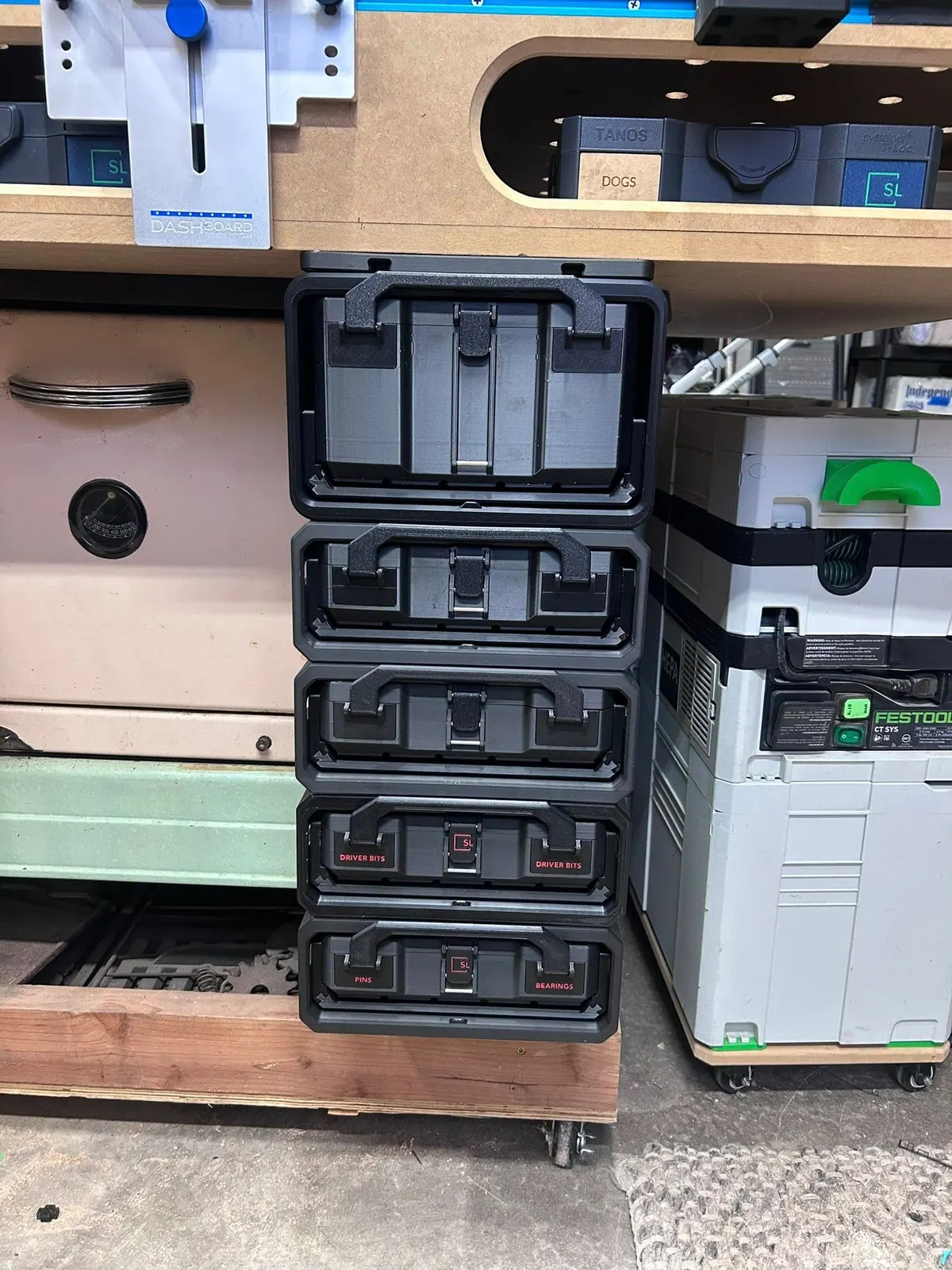
Screws and fixings
Prioritise visibility, quick access, and enough depth for mixed fastener stock without losing track of small parts.
Learn
Use this guide to work backwards from your use case, then choose the footprint, height, material, and accessories that match the way you actually work.
Prioritise visibility, quick access, and enough depth for mixed fastener stock without losing track of small parts.
Think about grouped components, cable management, and whether you want one box per project or one system for shared stock.
Choose a footprint and height that stay practical on the bench and do not crowd your main working area.
Plan around drawer or mounted access so stored items stay reachable without taking up surface space.
Enclosed, durable storage matters more when movement, carrying, and secure containment are part of the job.
Most setups begin with one of a few practical jobs: storing fixings, grouping project parts, or keeping daily-use tools close to hand.
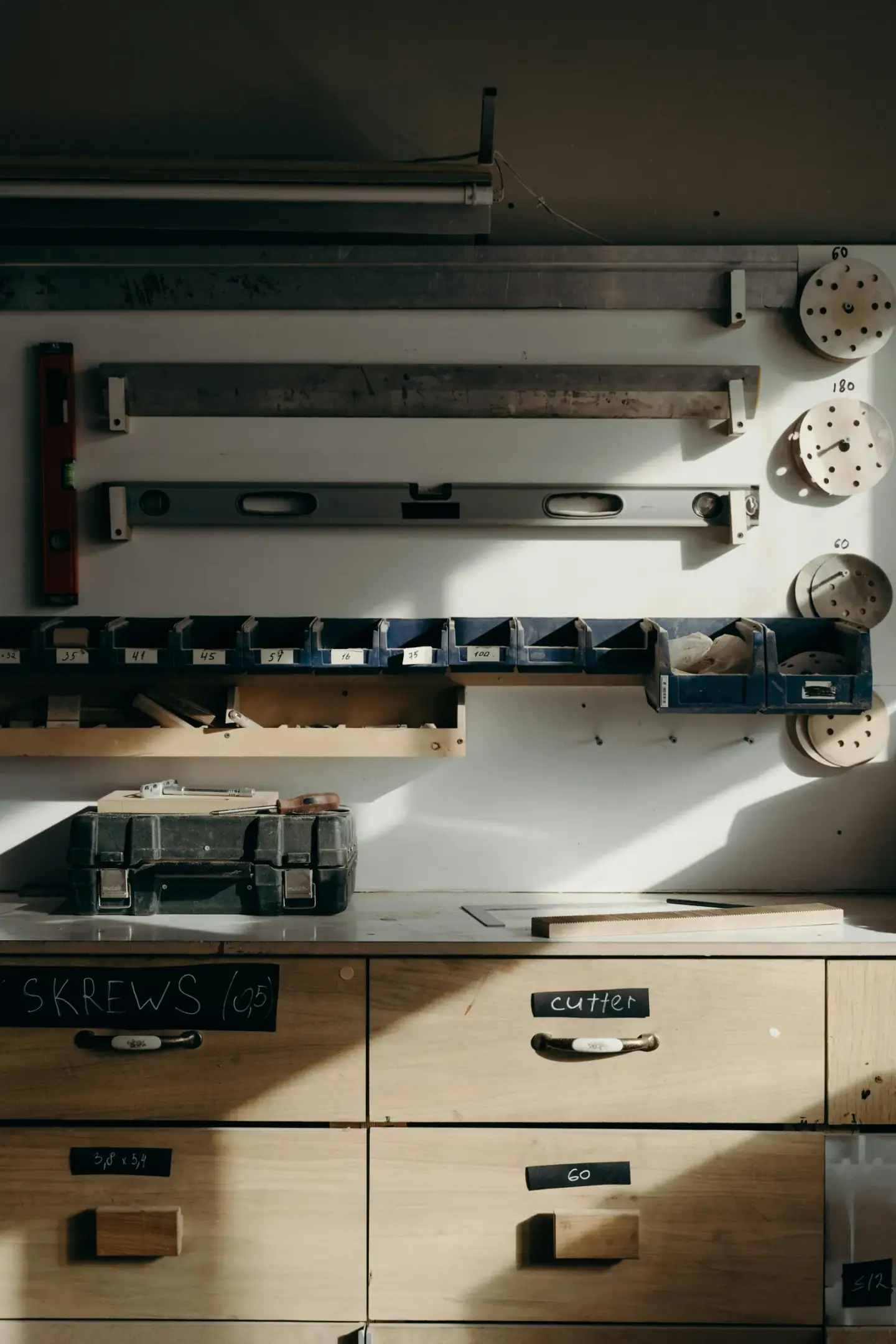
Start shallow when visibility matters. A compact footprint plus inserts can speed up everyday access and put-back.
Shop insert packs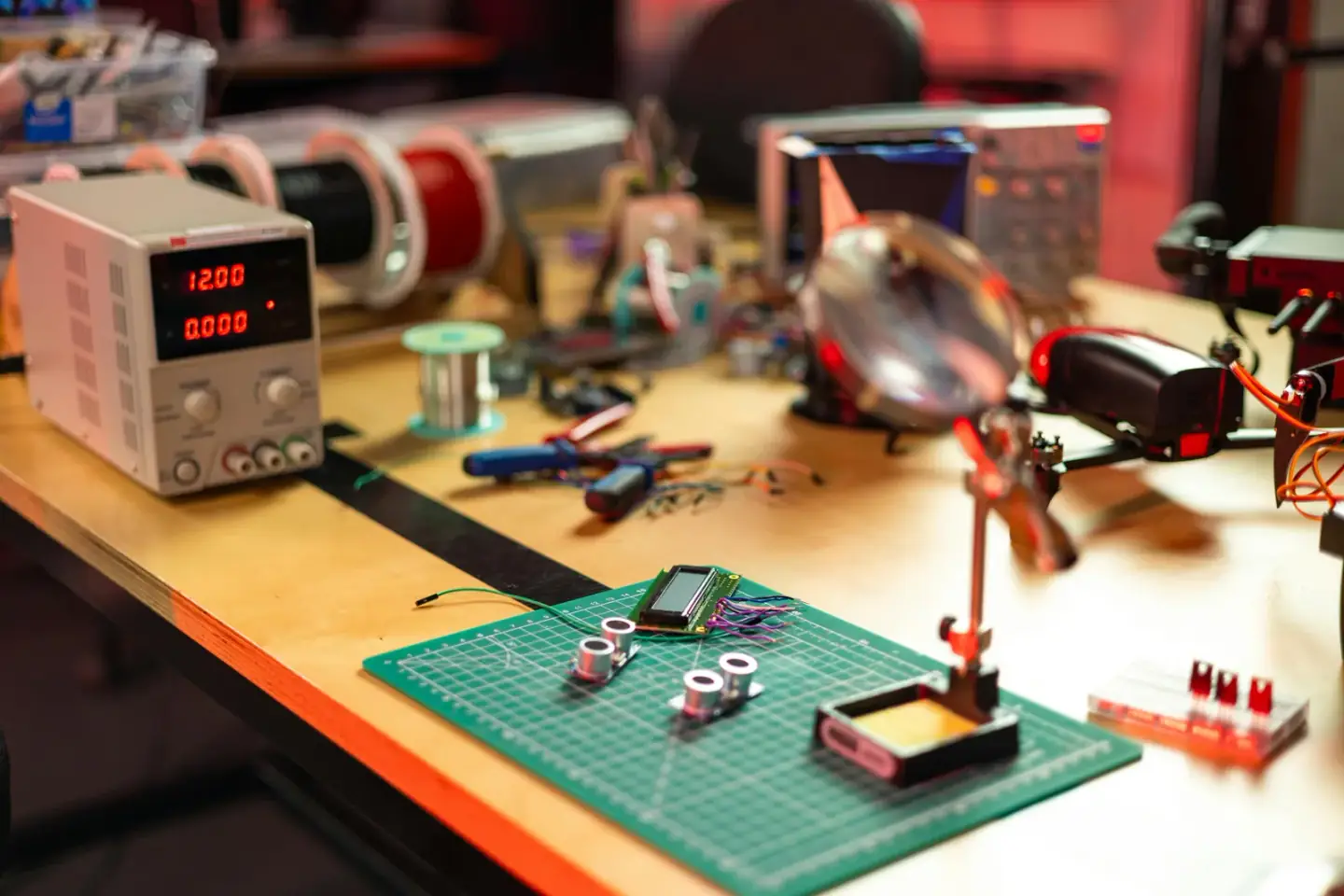
Choose a footprint that keeps grouped parts together, then move up in height only when components or tooling need the depth.
Shop storage boxes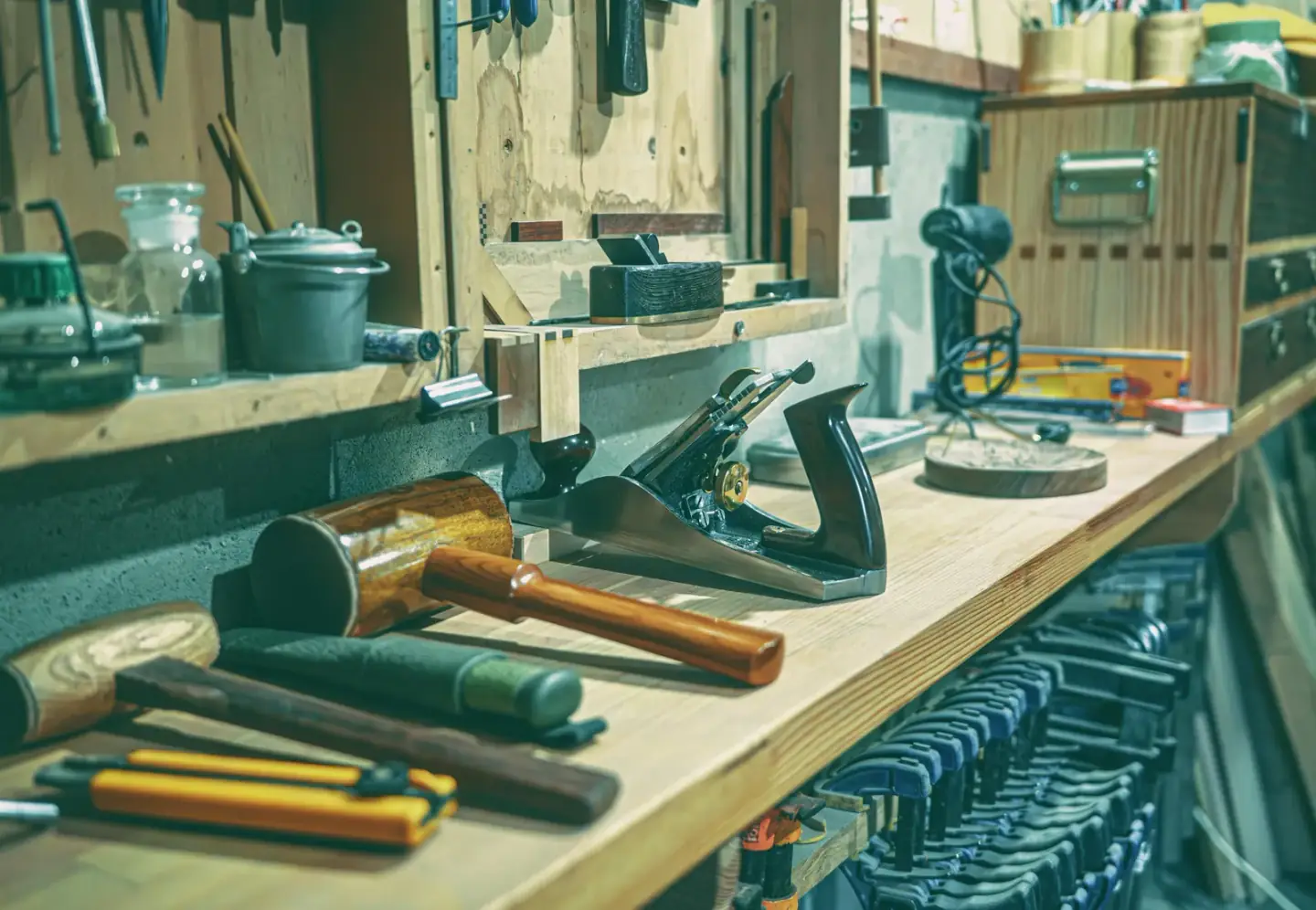
Keep the box easy to grab, open, and return during the day so the system supports the work instead of crowding it.
View 5x4 boxes5x4 is often the best starting point for compact bench storage and everyday handling. 7x6 is the better choice when you want larger layouts, more grouped storage, or higher overall capacity, especially now that the larger footprint runs from 9U to 24U.
Height controls depth and capacity. Use shallower boxes for quick access and deeper boxes when you need more volume or taller stored items. The compact 5x4 range starts at 6U, while the larger 7x6 range now starts at 9U and extends to 24U.
Standard PETG suits most workshop users well. Professional ASA-CF is worth considering when you want a more rugged specification or the higher-end finish for harder-use environments.
Step 1
Pick 5x4 when you want a compact, easy-to-handle box. Pick 7x6 when you need more surface area and higher-capacity organisation.
Step 2
Use 6U for shallow compact storage, 9U for balanced everyday use, 12U and 15U for added depth, and the larger 7x6 range from 18U to 24U when capacity matters more than portability.
Step 3
Standard PETG is a dependable everyday choice. Professional ASA-CF suits tougher environments or customers who want the higher-spec finish.
If you already know how you want to organise the inside of the box, an empty configuration may make sense. If you want a faster route to a usable layout, insert packs can save time and help you get organised sooner.
Start with a 5x4 box in 6U or 9U, then add an insert pack if you want a quicker route to an organised layout.
A 5x4 or 7x6 footprint depends on volume, but 9U to 12U is often a good balance when parts vary in size. Move into the deeper 7x6 heights only when grouped kits or larger components genuinely need it.
Keep the footprint compact and the height moderate so the box stays easy to reach, open, and return during the workday.
Consider drawer-ready or mounted configurations early so the box size supports the installation rather than fighting it.
Prioritise enclosed storage, durability, and mounting or stack stability so contents stay together when the workspace moves.
Shop the system
Start with storage boxes, then add inserts, mounting, or drawer options as your workflow becomes clearer.